E XPLORE HIDDEN PARADISE IN NORTH EAST INDIA
There is a hidden unexplored nature's bounty tucked in the eastern part of Himalaya.India's north east is unique because it is home to more than a hundred tribes proud of their cultural heritage, making their way into the modern civilisation.

WIDE VARIETIES OF FLORA & FAUNA ARE FOUND IN MANAS SANCTUARY IN BODOLAND DISTRICTS OF ASSAM . SPECIALLY SUITED FOR STUDENTS OF BOTANY, DOCTORS DOING RESEARCH IN MEDICINE , ADVENTURE SEEKERS , NATURE LOVERS , WILL ALWAYS FIND SOMETHING TO APPEASE THEIR QUEST.
.jpg)

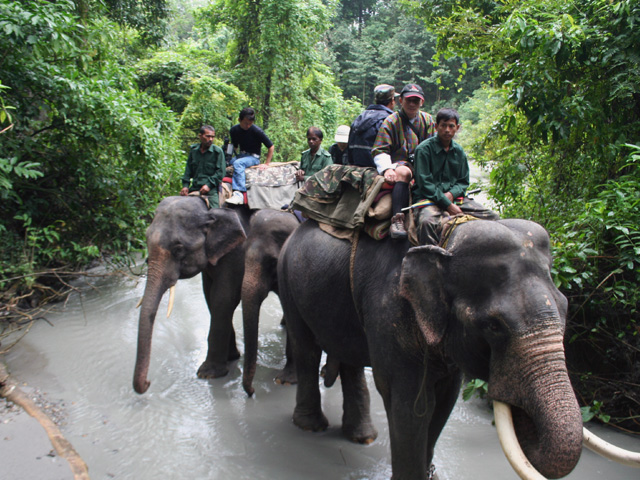


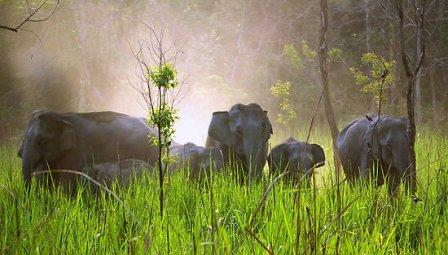
The patrolling along railway tracks in Assam is an initiative that was started out in November 2008, by the Assam Forest Department, Northeast Frontier Railways and Wildlife Trust of India (WTI) supported by the UK-based charity Elephant Family (EF), under the Train Hits Mitigation Project.
In the past 65 train-elephant collisions have proved fatal and the tragedy is fairly common in this eastern state owing to many railway tracks cris-crossing through dense forests with elephant population. The frequency of accidents saw an increase from 1990.
Alramed by this accidents in 2008 WTI carried out a rapid survey to analyse the accident prone areas and thereby form a site-specific solution to the problem.
The studies identified about 23 accident-prone sections in eight forest divisions in Assam. On priority basis seven of these sites are patrolled by volunteers including the Deepor-beel patch. This team usually comprises of six members, two each from forest department, railways and WTI-EF

Deepor Beel Bird Sanctuary, Guwahati is a proposed sanctuary in Assam that is supposed to be situated amidst a zone of idyllic bliss with its lush greenery sprinkled with sparkling water bodies. The sanctuary's premises exude an aura of tranquility and the melodious twitters of birds are a welcome break that occasionally disturbs the quietude.
The site for the Deepor Beel Bird Sanctuary is strategically located at a stone's throw distance from the bustling Guwahati city. The proximity to a major city makes the bird reserve easily accessible by rail, road and rail and thereby facilitates tourism.
The property of Deepor Beel Bird Sanctuary is a small picturesque and sylvan land that covers an expanse of 4.14 sq. km. The sanctuary's locale is a photographer's dream and worth an artist's pencil with some out-of the-world sceneries. Sparkling lakes and water bodies glittering like a mirage of quicksilver adorn the surroundings of the idyllic green paradise.
As the name signifies Deepor Beel Bird Sanctuary, Guwahati is being constructed to shelter abundant species of birds dappled in vibrant hues. The Department of Forests, Assam has listed over 120 species of birds to be housed in the sanctuary. They include numerous kingfishers, fishing eagles, adjutant storks and a plethora of ducks.
It is usually advised that the congenial Assam winters and bracing months of spring spanning from the cool December to the pleasant March are the best time to visit the sanctuary.
Deepor Beel Bird Sanctuary, Guwahati is the ideal retreat for the weary tourist residing amidst a concrete jungle and seeking a quick winter getaway.


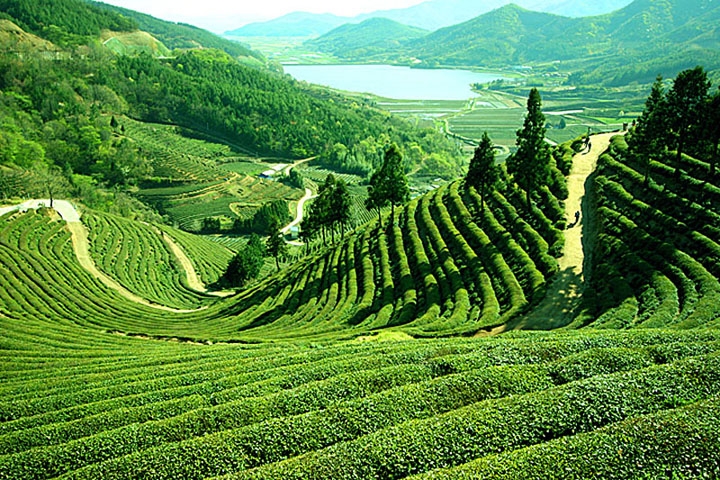
THOSE WHO WANT TO RELAX IN THE BLISSFUL SILENCE IN THE LAP OF NATURE SURROUNDED BY THE LUSHFUL TEA GARDENS IN THE REMINISCENT OF BRITISH INDIA CAN SOAK IN INDULGENCE OVER A TEA POT.
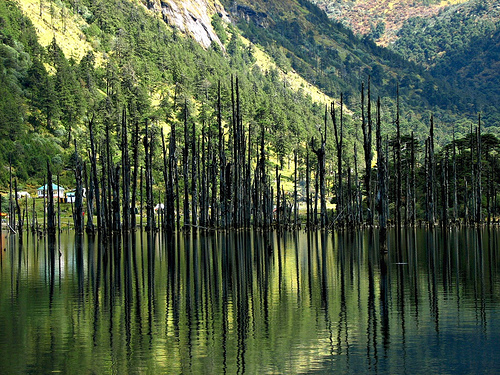
MIGHTY HIMALAYAN TRAILS SPARES NOT A SOUL TO REMIND ETERNITY TO ANY POMPOUS MORTALS TO THEIR HUMILIATION.
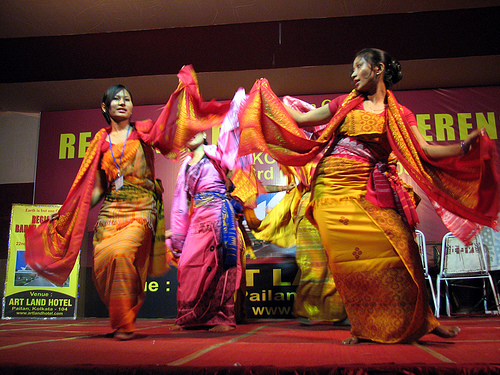
Earthly Beauties could stop a pulse or two.


Assam is the gateway to the North-East and is dominated by the mighty river Brahmaputra that has its origin in Tibet. Indeed, a large part of the state is located in the narrow valley that the river has created over the ages. The state population includes a startling mix of Dravidians, Aryans and Tibeto-Burmans. Assam is perhaps best known for two things: tea and the one-horned Rhinoceros, which is found in large numbers at Kaziranga National Park. The capital of Assam-Dispur, is a suburb of Guwahati in 1972. The uneven topography of the land, full of hills, plains and rivers might therefore have contributed to her name.
Manas National Park is famous for the Majestic Tigers. This park is the only Project Tiger in Assam. The sub-Himalayan hills forms the back drop of this park. The scenic beauty and rare wealth of wild life combine with this unique world heritage site to offer one of the most enthralling experiences. The core area of Manas Park is 360 kms. Manas is also noted for its population of the rare golden langur - found only in this part of the country. They are often spotted in the tall trees. Hispid Hare, Pigmy Hog and Golden Langur are some of the rare species of animals to be found in the park apart from the Tiger. Elephants, Rhinoceros, Wild Buffalo, Wild Boar, Sambar, Swamp Deer, Hog Deer are some of the animals which are easily spotted at this park. Come winter and Manas is full of Migratory birds like the Riverchats, Forktails, Cormorants and ducks like the Ruddy Shelduck. There are regular woodland birds like the Indian Hornbill and Pied Hornbill.
Orang Wild Life Sanctuary
Popularly known as mini Kaziranga, Orang national park covers 72 sq kms only and is located towards the north bank of Brahmaputra. This park is 150 kms from Guwahati and 32 kms from Tezpur. The nearest railhead is Saloni & Rangapara is the closest railhead. The park has only a small rest house so it is better to stay at Tezpur and visit this park.
Pabha or Milroy Sanctuary
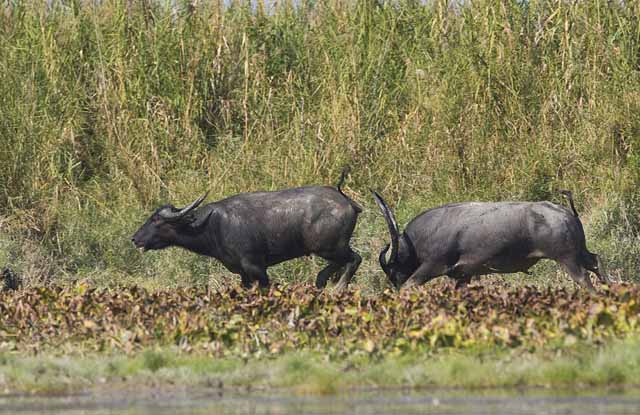
Located in Lakhimpur Dist., Pabha Sanctuary spreads in an area of 49 sq. kms. This Sanctuary was created to protect the wild water buffalo. Details can be obtained from the Chief Conservator of forest, Wildlife, Zoo- Narengi Road, Guwahati- Assam.
Sonai Rupai Wildlife Sanctuary
Slightly larger than the Pabha Sanctuary, Sonai Rupai Wildlife Sanctuary covers an area of 175 sq. kms. It is located along the foothills of Himalayas in Sonitpur District. This park combines scenic beauty with the exotic wildlife. It is the home for Elephant, Indian Bison and many other species of birds & animals.
Dibru-Saikhowa Wildlife Sanctuary
The only domain of feral horses in South Asia is now the Dibru-Saikhowa National Park situated in the eastern end of Assam. It is also arguably the only island wildlife preserve.
However, the park’s status as an island – formed by the river Brahmaputra and its branch-off Dibru – has come at a price; it has lost 97 sq km area in 15 years mainly due to erosion. Human habitations in its core area have also been a factor.
Vaibhav C Mathur, DFO of Tinsukia wildlife division said a survey result reveals that Dibru-Saikhowa’s area shrunk from the original 340 sq km to 242.7 sq km as on 30 January this year. The figure was arrived at after analyzing retrospective satellite imagery of the past 15 years obtained from the National Remote Sensing Centre, Hyderabad.
“While the original perimeter of the park was 155km, it is just 99.3km now. And this is just a part of the picture; effective habitat availability for wildlife is even lower, as out of the 242.7 sq km available, 48.2 square km of the core area is occupied by two villages that are continually expanding,” said Mathur.
Wildlife enthusiasts are alarmed by Mathur’s revelation, as the national park is considered a rich wildlife habitat and biodiversity hotspot. Apart from the feral horses and elephants, it boasts of at least 380 species of endemic and migratory birds of both wetland and grassland varieties. According to green activist Nakul Khound, the shrinkage in area would translate into very low crude density and an even lower ecological density of wildlife, as large parts of the available habitat were degraded because of grazing by livestock from the two villages.
Some 2,000 families reside in the two villages, and as such working out a rehabilitation and relocation package would be an uphill task. Officials allege that residents of these two villages fell trees inside the park and aid poaching directly or indirectly, taking advantage of the abysmally low number of forest personnel protecting the area.
When people were allowed to settle there by the government in the 1950s, the area allotted to them was just 3.73 sq km. But now, they are occupying 20 per cent of the land left after erosion. Moreover, from the original figure of 165 families settled, the population has swollen to 2165 families today.
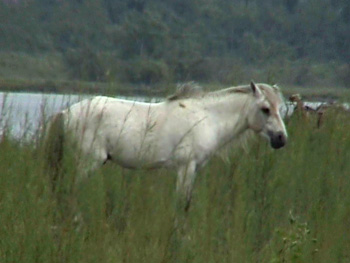
The Dibru- Saikhowa National Park in Assam is one of the semi wet evergreen forests in India. The vegetation consists of various species of herbs, medicinal plants and shrubs. The forest consists of beautiful pine vegetation and other tropical trees. The national park is spread over an area of 650 square kilometers and was made into a national park in the year 1999.
The Dibru- Saikhowa National Park is home to around 300 species of animals and birds. Travelers can watch various species of birds and animals from the watch towers in the forest. Some well known species of animals found in the forest are leopard cats, gibbons, elephants, buffalos, panthers, tigers and river dolphins. Some species of birds include pigeons, pelicans, black storks, geese and lots more.
The Dibru- Saikhowa National Park, Assam is also an ideal place for various adventure sports. The rugged landscape of the forest is ideal for trekking and mountain hiking trips. Wildlife safari trips are also arranged to the national park. The wildlife safaris are popular among the Assam wildlife tours. There are also provisions for camping in the national park.
The Dibru- Saikhowa National Park is easily accessible. The ideal time for coming to the forest is between the months of November and April when the weather is pleasant.
Famous for wild horses.This sanctuary is a safe haven for extremely rare white winged wood duck and many migratory birds. Speciality of Dibru Saikhowa is it's wild horses, called Feral Horses. Margherita- 14 kms east of Digboi, this is the centre of Tea Gardens, Plywood factories and coal mines. Namdapha National Park- 100 km east of Digboi in Arunachal Pradesh beyond Margherita is a true wilderness, not widely known and is a vast stretch of enchanting beauty of lush green vegetation.
Laokhowa Wildlife Sanctuary
It is situated in the Nagaon Dist. This park has a small area of 60 sq. kms. Laokhowa wildlife Sanctuary is just 15 kms from Nagoan town so the park can be visited while staying at Nagaon. This park is famous for one horned Rhinos, wild buffalo, Swamp deer and many varieties of birds.
|
Diphu is the Head Quarter to Karbi Anglong District and 271 kms from Guwahati by road. It is connected by N. F. Railway and State Transport Buses from Guwahati. Nearest Airport is Dimapur 54 kms.
Umrangshu The distance from Guwahati to Umrangshu is 224 kms by road. The biggest Hydel plant has come up under North East Electric Power Corporation (NEEPCO) with dams in the Kopili river. Near Umrangshu, there is a Hot spring (GARAMPANI), the water of which is believed to have medicinal value. Jatinga Jatinga is situated 9 kms from Haflong town, the District Head Quarter of North Cachar Hills. Jatinga is famous for bird mystery. The migratory birds come during the month of August to November and it becomes the ornithologist's attraction. From the elevated watch tower one can see them yielding to their death wish and their little plumage dropping down. More Info Haflong Up in the rugged terrains stands Assam's only hill station Haflong where one can see the rainbow down below. It is the district Head Quarter of North Cachar hills District. A beautiful big lake "Haflong Lake" is located in the heart of the Haflong town. Haflong is 345 kms by road from Guwahati and connected by N. F. Railway and State Transport Buses ply from Guwahati. Maibong Located on the Bank of Mahur river and 47 kms from Haflong. Maibong once flourished as the capital of Dimasa, Kachari Kingdom. Stone house and temple of Kachari king can be seen at Maibong.
| |
|
| |


Tea-plantations in Assam, unlike those in China or Japan for instance, are comparatively big, spanning hundreds of acre. Thus they offer you the spatial freedom to meander through them, watching the dappled sunlight filter through the shade trees and weave patterns of black and white on the neatly pruned tea-bushes. Apart from the Brahamaputra valley, Barak valley and southern Assam also has abundance of tea plantations. Dibrugarh located along the river Brahmaputra is the largest tea exporting town in India. Together Assam produces almost 400 million kg tea per annum. Assam tea is famous for its rich full bodied, bright liquor. The tea from here is best for those who prefer a strong cup. The Tea festival organised by Assam Tourism in the month of November is a unique experience. One cannot miss this festival which offers holidays combining visits to Tea Gardens, Golf and River Cruises. A visit to the "Guwahati Tea Auction Center" (GTAC) in Guwahati, the largest in India is a must.
Watch the tea-pluckers at work. Admire the deftness of their fingers as they pluck the delicate two leaves and a bud from which the "nectar of the gods" is made. Assam plantations produce black tea, far different in taste and colour from the green tea made in China.
No trip to Upper Assam can be complete without a visit to one of the numerous tea-gardens that stand, lush and verdant, all around the valley. The tea gardens of Assam have a unique ambience, and a cultural entity that makes them stand apart from other such plantations elsewhere.

Tea tasting in guwahat
The first was steeped with boiling water. This go-round added milk to the brewed tea, just as it would be drunk by the majority of tea drinkers in India.
– the lowest quality of broken tea leaves that looks like powder is very popular in the south of India because it brews many more cups per kilo than the pricier leaf tea. He said it’s also used in tea bags.
Just like wine tasters The vocabulary reminds of wine tasting. The
taster assessed the weight and quality of the tea on his tongue, just like an experienced sommelier, checking for burnt, harsh or coarse overtones.
Carritt Moran, founded in 1877, is the second-largest tea auctioneer firm in the world, handling about one-fourth of the teas sold through the Indian auction system.
spent the morning at the Gauhati Tea Auction Centre, watching both the live and the subsequent electronic auction. Assam – the province of which Guwahati (also called Gauhati) is the capital – grows most of the tea exported by India. Some 20 percent of Indian tea passes through this auction house. Watching the auction itself was mesmerising.
Like many in Guwahati, they invested in a tea plantation, which is called a tea garden here.The Brahmaputra River is bordered by more than a half a million acres of lush green tea gardens growing in the rich alluvial soil. The total production of tea in Assam approaches one million pounds per year.
The tea gardens themselves are beautiful. The emerald green of the waist-high camellia sinensis bushes seems to glow from within. The best tea is picked by hand, and whole villages of migrant workers are imported to do the specialised work. First comes withering, when the freshly picked green leaves are spread out to dry on enormous ventilated trays. The leaves are then processed and graded, with whole leaves at the top of the scale, and the powdery dust at the bottom.


Digboi Club Golf Links 18 holes Golf course considered the best in the entire upper Assam, where all important tournaments are held. There are 8 other 9 hole Golf courses with tea estates between Dibrugarh and Doom DoomaThe golf club is bordered by the popular Deihing forest reserve on three sides, with the fourth outlined by the National Highway-38 and the magnificent mountains of Arunachal Pradesh looming large on the horizon. The Reserve hosts a variety of flora and fauna including wild elephants, leopards, wild boar, barking deer, an assortment of snakes including the venomous king cobra and among birds, the hornbill and the parakeet.
It is common for wild beasts to wander the course, especially at night. Every fairway on the golf course has a drain running through it. A look into any of these drains will reveal an assortment of pugmarks. A discerning eye can notice a great many of those belonging to leopards and deer
Amidst the vast expanses of dense forests and exquisite tea estates lies the 18-hole golf course of Digboi, considered to be the best golf course in the whole of Upper Assam. Every year, tournaments, at both national and international level, are played here and people come from all over the country to enjoy or take part in the events. The whole course stands over a huge 6309 yards of land and is considered to be one of the biggest in the northeast India.
Digboi golf course is situated amid beautiful natural settings, bordered by the Deihing Forest Reserve on three sides. It is from the fourth side that a splendid view of the mountains of Arunachal Pradesh can be seen. Dehing Forest Reserve, on the other hand, is the abode of a wide variety of flora and fauna. Animals like wild elephants, barking deer, parakeets, hornbill birds, wild boar, leopards and several varieties of snakes, inhabit the reserve and can often be seen wandering out onto the course.
Digboi golf club offers a complete enjoyable experience to the golfers as well as the other people who come to visit it. Rooms are available at very reasonable charges in a small clubhouse, situated just adjacent to the golf course. There is also a bar located within the clubhouse and people often come here to relax and to take a break from the monotonous routine of daily life. The club also has facilities for indoor games, a swimming pool and a restaurant offering a range of local delicacies. However, overnight stay is not allowed at the club house.
Among the numerous tournaments held at Digboi golf course, the ones worth mentioning are the All Assam Amateur tournament and the Servo Masters, which is the only professional golf tournament held in the entire northeast India. The maintenance of the club is being looked after by the Indian Oil Corporation of Digboi, who see to it that the world class standards of the club are preserved, be it in terms of the gold course, the ambience or such other amenities
|
Golf Courses in Upper Assam | |
| Upper Assam is the Mecca of Golf as far as the North Eastern States are concerned. Upon entering Upper Assam you will have the choice of Nine Golf Courses, each one posting its own unique challenges leaving a lasting impression on one's mind. If you drive up to Upper Assam you will be greeted by the Moran Polo Club, which manages the Golf Course at Thowra Tea Estate. This 9-hole course though flat poses its own challenge as every hole has an Out of Bound to its left or right thus hitting a straight ball is a must. If in case you arrive by Air you will fly over the Golf Course maintained by Dibrugarh District Planters Club that is although a flat 9-hole course is extremely narrow and will penalise any liberties taken with it. The area of Upper Assam is then thrown open to seven more Golf Courses surrounding the town of Tinsukia all within an hour's drive. Either the Tea Companies or the Oil Companies maintains these courses. Short of Tinsukia is Kanjikhowa Golf Course which is maintained by Panitola Planters Club. Though this 9 hole course plays short the real challenge is in trying to hit the Greens in regulation as they are small and have strategically placed bunkers around them. North of Tinsukia are the Tingra, Zaloni and Naharkatia Golf Courses. The Tingra Golf Club is maintained by surrounding Tea Estates. Right selection of clubs is a must as playing any loose shots can have adverse effects on the card as well as to the pocket as the paddy fields are a hazardous part of the 9 hole course and show no mercy but the Ball Boys. |
|
|
| |


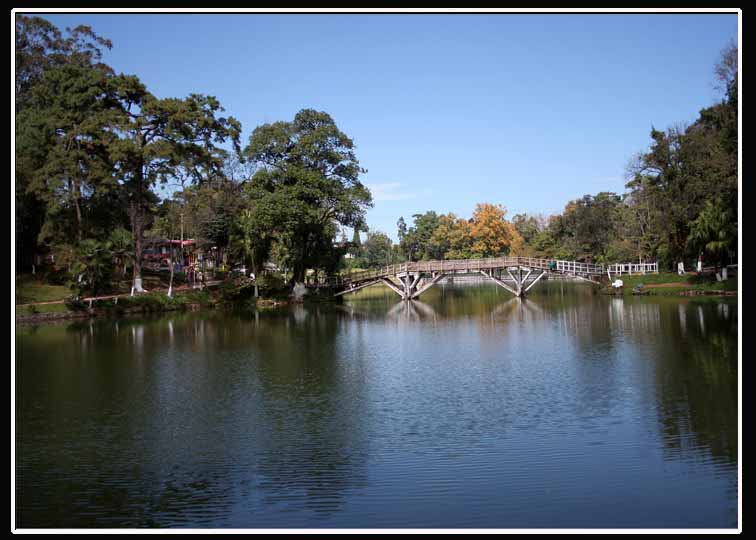
THE SERENITY OF THE LAKE IS THE PERFET DESTINATION FOR A ROMANTIC SOUL.
Since the days of the Britishers, Jia Bhoroli of Assam has been famous for Angling. It is a magnificient snowed sparkling river that rumbles and swirls down the rugged mountain valleys of Arunachal Pradesh, and then through the dense green Balipara Reserve Forest, forming gorges and fiery rapids to join the mighty 'Brahmaputra'.
It is one of the most fascinating rivers- full of joy and life which leaves the adventure loving tourists, anglers and naturalists in utter awe.
The fishing seasonal camp at Potasah is easily accessible, and is only an hour's drive from Tezpur town, about two hours drive from the Kaziranga National Park and about 220 kilometres from Guwahati. However, anglers have the choice of other base camps too like the Tourist Bungalow of the Government of Assam at the picturesque hilly township of Bhalukpong on the banks of the Jia Bhorob river or the tourist lodge at Tezpur town. The main highway leading to Bomdila and Tawang in Arunachal Pradesh runs miles along the way. However, the best way of fishing throughout the length of the river from Bhalukpong to Potasali (about 26 km of water stretch) is by using an inflatable rubber dinghy. In fact, a rubber dinghy ride has become so popular that the 'Inflatable rubber dinghy rafting competition' has been introduced by the Assam (Bhoreb) Anglers Association in 1992 along with the angling competition held regularly since 1981 in the early part of November every year. The angling season with rod and line in the Bhoroll river starts from early October and continues upto late April.
It is always pleasant and thrilling to raft down the Jia Bhoroli river in a rubber dinghy amidst the vibrant green, and serene surroundings. This gives the angler ample scope to try his luck with rod and line, and the choice of several splitting channels of the river, which meet downstream forming some of the excellent spots for casting the line in a school of fish.
How to go there ?
Fishing in the Bhoroli entails an hour's pleasant drive from Tezpur through the Bahpara Reserved Forests to Bhalukpong (60 krns from Tezpur) or a few kitometers up to the Tipi confluence in Arunachal Pradesh. Tezpur is connected by bus with Guwahati, North Lakhimpur, Dhemajee and Rangia. A 3 kms long motorable bridge over Brahmaputra connects Tezpur with the South Bank at Silghat( Nagaon) . The nearest Airport to Tezpur is Saloni, (10krns) and the Railway Station is Rangapara, 26 kms in the main line. Tezpur is the subline station.
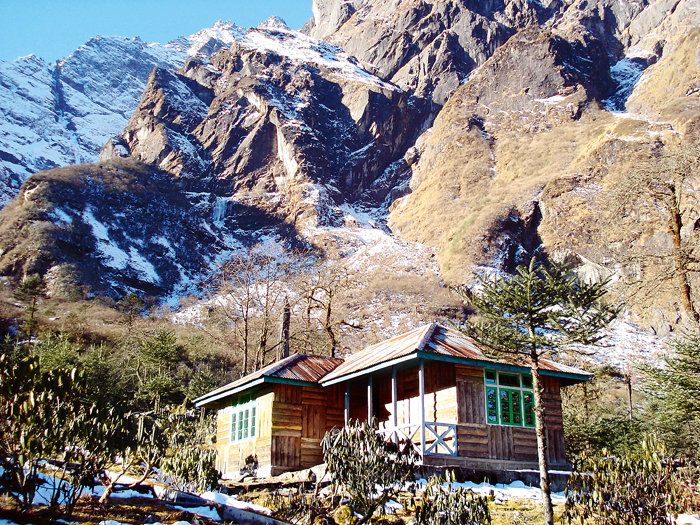
This is the route through which the Chinese soldiers entered Indian Territory, almost unchallenged, in 1962. This is where the Golden Pagoda shines from atop a hill, 3500 meters above sea level. This is the land of orchids, quaint sounding lakes and the handsome Monpa tribe. I was on my way to Tawang, Arunachal Pradesh, snuggling at the Himalayan foothills on India’s North East. Tawang literally means the land of the rising sun.
We started our journey from Tezpur, the pretty little town on the north bank of the Brahmaputra on New Year’s Day. Locals warned us that we would have to return from Bomdila, halfway to Tawang, because there had been heavy snowing during the previous days and the road could be closed. But we had faith in the efficiency of the Indian army, whose border road maintenance crew could not leave this vital road closed for long.
We were right. The road was open, but just enough. Bomdila, where we spent a night, was a picture-postcard landscape. Under the bright blue sky, blobs of white stood like a thermocol set design in a children’s school-play. The lakes were frozen solid on which the bare trees cast dark shadows, creating an illusion of a Japanese painting. The steep road was slushy with melted snow and the valley dipped off out of sight down below, but the expert Nepali driver of our jeep was nonchalant. Perhaps we should have chosen the tourist season (September-October or April) but coming from a hot climate, this fairyland in white was worth the bone-chilling cold. You had to just leave behind your fear of heights and enjoy!
On way to Bomdila we stopped for a while at the Orchid Research Centre at Tipi on the bank of river Jia-Bharali (Kameng upstream). The State Government project gives visitors a glimpse of this exotic plant. Arunachal has more then 600 species of orchids. Some of them like the “Ladies Sleeper” variety are indigenous to the land and there is a prohibition on taking them outside the state. The road through the beautiful Dirang valley offered spectacular views of rivers, hills and grassland merging into one. Who needs a trip to Switzerland?
|
| |
|
|
For the people of North East India, however, Bomdila, will forever be a symbol of the historical Himalayan blunder. The Chinese invaders reached here and it wouldn't have been a cakewalk for them to enter the Assam valley to the south had not been a ceasefire called under international pressure. The lesson has been learnt the hard way but learnt well; the meticulously maintained roads, the frequent army camps are proof. At Jaswant Singh Garh, near the Bumla Pass, the story of heroism of some Indian soldiers is retold. This is where Jaswant Singh of the 4th Battalion Garhwal Rifles held off the enemy for 72 hours single-handedly. He ran from bunker to bunker- firing and creating an illusion of many soldiers present. Two local girls helped him to carry the ammunition. The story goes that rather than give in when the Chinese soldiers were at their doorstep, Singh hanged himself. Army convoys on the way to the border make it a point to stop and pay homage at the beautifully maintained memorial. The jawans (soldiers of the Indian army) at the outpost treat everybody passing through with tea.
We often hear about the bitter weather conditions that soldiers have to face at the Siachen border in the north. At Sela Pass at 14,000 ft we could feel that for ourselves. For as soon as we got down, the whining wind and freezing cold almost knocked us out. We literally scooted to the warmth of a make-do cafeteria with its warm brazier.
Till 1951, Tawang (also called Monyul) was under the Tibetan government. Its claim to fame is the 400 years old Tawang Monastery belonging to the Galukpa faction of the Mahayana sect of Buddhism. The huge fort-like monastery can house more than 700 monks. The name denotes ‘founded by the horse’ (Ta= horse: Wang= chosen). Legend has it that, following wishes of the 5th Dalai Lama, Mera Lama set out in 1681 searching for a place to construct a monastery. One day after prayer for guidance, he found his horse standing at a spot on a hill-top quietly and took it as a divine sign. Locals helped build the monastery and even today they are responsible for looking after it. Inside, the huge 30 ft gilded Buddha made of wood sits serenely amidst priceless tankhas (scroll-paintings) and Buddhist artifacts. The priest-guide said that the whole structure was brought from Tibet, piece by piece, on horseback and assembled here. The whole atmosphere is of a reverential silence except for the chanting of the monks. Attached is also a museum which displays ancient manuscripts, and precious artifacts, evocative of the centuries-old Indo-Tibet Buddhist trail.
The local people, the Monpas, are a handsome tribe, peace loving and courteous. Religion plays a dominant role in their lives. There are a number of separate monasteries in this area for Buddhist nuns who follow even stricter schedule than the male monks.
Despite greater flow of tourists today in North East India and even shooting of Hindi films (ln the Hindi movie Koyla, the location near the cascading Naraneng Falls is pointed out), this is a world that still retains the pristine beauty of a hidden paradise.
Fact File:
To go to Tawang, Inner Line Permit is needed. Foreigners need to apply for special permit.
Between January - February, the Losar and Torgya festivals are held when lama dance and religious rituals prove a big draw.
How to go:
From Tezpur by road which takes about 12 hours to Tawang.
Share taxi Rs 350 approx per head, but a stoppage at Bomdila advised.
For more comfortable journey, individual hired jeep is better.
Also, buses are run by the state government transport department.
Accommodation:
Both Bomdila and Tawang have a number of comfortable hotels.
where to stay in Tawang |
.


Things to do in Sikkim
Tangerine
Descend five floors for sublime cuisine, tasty Western snacks or cocktails in the brilliant Japanese-style floor-cushioned bar area. Try the stuffed-tomato curry or sample Sikkimese specialities like sochhya (nettle stew). Stylishly relaxed decor with a waiter/origami-ist who turns napkins into birds.
Lounge 31a
Swooping glass architecture offers Zen aesthetics and light-suffused sunset views from four storeys high, above the Sikkim State Bank.
reviewed
Roll House
In an alley just off MG Marg this hole-in-the-wall serves delicious kati rolls that upstage even the Kolkata originals.
Bakers Cafe
The perfect breakfast escape, this cosy Western-style cafe has great coffee (Rs. 35), scrunchy pastries and squidgy cakes
Nyingmapa gompas.
-
Literally translated as ‘Perfect Sublime Lotus’, the 1705 Pemayangtse is one of Sikkim’s oldest and most significant Nyingmapa gompas. Magnificently set on a hilltop overlooking the Rabdentse ruins, the atmospheric compound is ringed by gardens and traditional monks’ cottages walled in unpainted stone. The contrastingly colourful prayer hall is beautifully proportioned, its doors and windows painted with Tibetan motifs. The statue is of Padmasambhava in his awful form as Dorje Bhurpa Vajrakila with multiple heads and arms. Upstairs, fierce-looking statues depict all eight of Padmasambhava’s incarnations. On the top floor, Zandog Palri is an astounding seven-tier


Hotels travellers recommend

 #1 of 64 hotels in Gangtok
 - “ we loved it.. ” 2 Jul 2011
- “ Truly pampering honeymoon experience ” 29 Jun 2011
 #2 of 64 hotels in Gangtok
 - “ What a great hotel ! ” 10 Jul 2011
- “ Made our trip Excellent ” 28 Jun 2011
 #3 of 64 hotels in Gangtok
 - “ Lavish hotel...Horrible Food ” 6 Aug 2011
- “ Amazing Place for family and friends "100% Majaa and comfort " ” 28 Jul 2011
 #4 of 64 hotels in Gangtok
 - “ Great Place with Amazing people ” 2 Aug 2011
- “ Serene setting, warm hospitality ” 30 Jun 2011
 #5 of 64 hotels in Gangtok
 - “ We loved it ” 16 Aug 2011
- “ GOOD POSITION ” 28 Jul 2011

 #7 of 64 hotels in Gangtok
 - “ good place to stay with value for money... ” 14 Jun 2011
- “ Good Hotel and friendly staff ” 8 Jun 2011


 #11 of 64 hotels in Gangtok
 - “ Good Stay. Spotlight on breakfast. ” 23 Aug 2011
- “ Ttakshang Residency, 2011, Gangtok ” 7 Aug 2011

 #13 of 64 hotels in Gangtok
 - “ Descent hotel in Gangtok ” 26 Jul 2011
- “ This hotel made my honeymoon more memorable..;) ” 27 Jun 2010
#14 of 64 hotels in Gangtok - “ Will come back again. enjoyed the trip ” 6 Jun 2011
- “ got the best price ” 7 Mar 2011
 #15 of 64 hotels in Gangtok
 - “ Awesome Experience ” 28 Jul 2011
- “ Big on Hype, Short on Delivery ” 22 Jun 2011
 #16 of 64 hotels in Gangtok
 - “ Top of the world experience ” 29 Jun 2011
- “ Absolutely non cooperative staff ” 22 Jun 2011
#17 of 64 hotels in Gangtok - “ Excellent Stay ” 20 Oct 2010
- “ Good Resort ---Must Visit ” 16 Aug 2010
 #18 of 64 hotels in Gangtok
 - “ Centrally located with a good restaurant ” 9 Jun 2011
- “ Clean, comfortable place to stay near all attractions - good view too. ” 5 Jun 2010
 #19 of 64 hotels in Gangtok
 - “ Great Place to stay. Excellent Service and food. Great view into the valley. ” 16 Feb 2011
- “ NOT FORGETABLE MOMENTS ” 25 Jul 2010
 #20 of 64 hotels in Gangtok
 - “ Comfortable, elegant, value for money stay ” 4 Jul 2011
- “ Best Place to stay in Gangtok ” 21 Jun 2011
 #21 of 64 hotels in Gangtok
 - “ We loved the Hotel ” 12 Jun 2011
- “ The Hotel was well managed ” 8 Jun 2011

 #24 of 64 hotels in Gangtok
 - “ Excellent location, rooms but poor service ” 18 May 2011
- “ Warm and friendly efficiency ” 20 Oct 2010

 #26 of 64 hotels in Gangtok
  #27 of 64 hotels in Gangtok
 - “ Hotel Golden Pagoda - Average abode ” 28 Jun 2011
- “ A good hotel for stay with family membes ” 26 Jun 2011
 #29 of 64 hotels in Gangtok
 - “ mindblowing place.. ” 20 Apr 2011
- “ Hotel With Good Facilities ” 5 May 2010
 #30 of 64 hotels in Gangtok
 - “ Excellent staff and friendly manager. ” 28 Apr 2011
- “ Simplistic, affordable, friendly ” 10 Jun 2010
The Northeastern region of India is of immense scenic beauty. The seven sisters of the region are considered to the ‘paradise unexplored’ of India. Not only that, it has a favorable climatic condition to produce spices, fruits, vegetables, flowers and herbs. Moreover, out of the 925 varieties of orchids available in India, over 600 can be grown in the Northeast (Goswami and Gogoi 2005). If transport and communications facilities are better-developed, the region would be transformed into a global tourist spot complete with bio-diversities and heritages (Goswami and Gogoi 2005). It will not only benefit the region but also benefit India as a whole.
But unfortunately we have lost the paradise. Almost everyday we find news of the smuggling of Narcotics and Light Weapons, Insurgency, HIV/AIDS, Rape etc. which are prevalent in the paradise. Moreover, the region is overwhelmed by poverty and economic backwardness.
The Government of India’s per capita expenditure for Northeast India is among the highest of all the states. Most of the Prime Ministers of India declared their own development plans for Northeast India. In 2008 the Government of India introduced the North Eastern Region Vision 2020 (NER 2020). According to Duncan McDuie-Ra (2009), ‘It brings together the usual promises to increase the connectivity of the region and create employment through state investments in infrastructure, encourage private investment especially in natural resources and agriculture, increase border trade, promote tourism in the ‘paradise unexplored’, and continue the process of political and economic engagement with surrounding countries. It also contains provisions for people-to-people contact between India and its eastern neighbours such as joint tourism development, trade fairs, direct flights, sporting events, and ‘cultural exchanges’ ’.
But the question still remains – will government policies and programmes be able to secure peace and prosperity in the region. The government should consider issues like re-building its education system, incorporating vocational trainings in the education system, ensuring security for the citizens, improving health services, organizing confidence building measures with the neighbouring countries in order to bring economic growth and social cohesion in the region. But the most important action would be to ensure people’s participation in the development process with a holistic view. Without the people’s involvement in the development process, it would not be possible for the government of India to benefit them through its efforts. For example, Nagaland Communitisation of Public Institutions and Services Act 2002 (Act No. 2 of 2002 notified on April 15, 2002) was an initiative taken by the state government of Nagaland to create a sense of ownership of public institutions and better management of limited resources. This programme mainly covered power, water supply and the education sector. The outcomes of this programme were extremely impressive- in the education sector it increased enrollment, improved academic performance of the students, reduced Drop Out rate, increased students’ and teachers’ attendance and increased community contribution in terms of cash, labour or kind (http://mdoner.gov.in).
The essence of mass participation in government programmes is the capacity of the local public administrators to reach out to the common people. Therefore, the time has come when we should replace the traditional service delivery mode with the modern community ownership mode at least in some sectors, if not in all spheres.
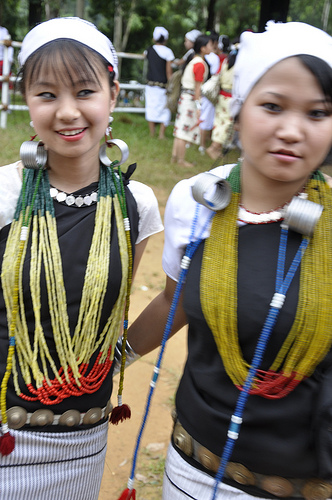
AND THE GIGGLES OF THE PRETTY DAMSELS RESONATES LONG AFTER YOU LEAVE IS DEFINITELY WELCOMING ENOUGH FOR THE SECOND VISIT.
The North East Region (NER) of India comprises the eight states of Assam, Arunachal Pradesh, Nagaland, Sikkim, Tripura, Meghalaya, Manipur and Sikkim. The region is home to a rich flora and fauna, diverse culture, customs and yet distinguished from each other by interesting paradoxes. While Mizoram has the second highest literacy rate in the country, Arunachal Pradesh lags far behind. Assam is well connected by roads, railways and airway while there is no connectivity of railways in Sikkim, Meghalaya and Mizoram.
Nature has always played a major role in determining the lifestyle of the region. 167,00 sq. km is under forest area and out of the 1300 species of orchids found in India, 550 are from Arunachal Pradesh alone. North Esat India also supports some of the rarest birds and animals. Mawsynrem in Meghalaya prides in being the area with the highest rainfall while Arunachal Pradesh has the second largest Buddhist Monastery in Asia. In Manipur there is the Loktak Lake while Tripura can boast of an unmatched cultural diversity.
The Ministry of Tourism has called the NER as “paradise unexplored”. To say that the NER has tremendous tourism potential is an understatement. But unfortunately, not enough measures have been taken to promote tourism in the region. People are averse to visiting the region because of preconceived notions and due to the geographical terrain and other factors. Infrastructural development must be followed by the revamping of the “Look EastPolicy” which, without doubt, shall be a boon to the region in all aspects as the region shares close similarities with the people of East Asia.
The very successful “Incredible India s campaign must take into consideration the unexplored Incredible north east as well. Enough budget should be allocated for tourism development in the NER but most importantly, there should be a credible political will as well. Above all, keeping in mind all the factors, the uniqueness of the region should not be disrupted at any cost. A pathway to innovating and implementing sustainable tourism should therefore be the way forward.
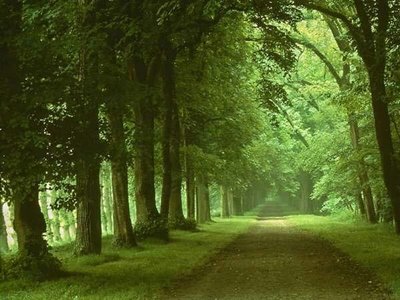
THIS IS NOT FOR THE FAINT HEARTED AND IS DEFINITELY A CHALLENGE FOR THE BRAVE ONES WHO DARE SAY YES TO MANAS WILDLIFE SANCTUARY.
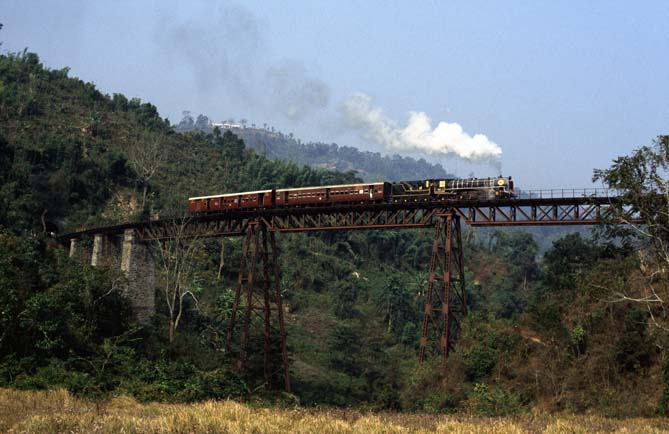
THE TRAIN COMING OUT OF THE TUNNEL IN NORTH CACHAR HILLS DISTRICTS IN ASSAM DEFINITELY REMINDS OF WILD WILD WEST ON COWBOY TRAIL.
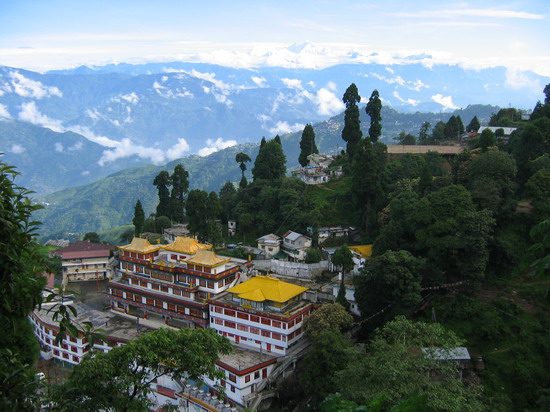
THE GREAT TAWANG MONASTRY UP IN THE MOUNTAIN IS DEFINITELY MANGNIFICIENT FOR FEASTFUL EYES.
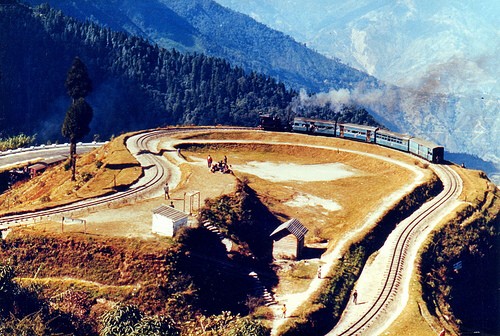
TOY TRAIN IN DARJEELING IS THE OLDEST IN THE TRAIN HISTORY AND PROMISES A PLEASANT TRIP UP IN THE MOUNTAIN .
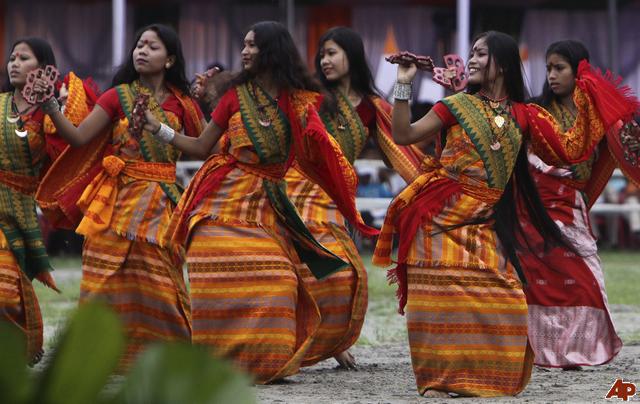
dancing bodo girls

GIRLS , GIRLS .beautiful earth.
I
Hotels travellers recommend
 #1 of 43 hotels in Guwahati
 - “ "conveniently located & simply amazing" ” 21 Aug 2011
- “ Excellent Hospitality ” 20 Aug 2011
 #2 of 43 hotels in Guwahati
 - “ Great hotel to stay ” 26 Jul 2011
- “ Very comfortable - feel at home ” 24 Jul 2011
 #3 of 43 hotels in Guwahati
 - “ feels like being in heaven ” 14 Feb 2011
- “ Budget accommodation with convenient location ” 23 Nov 2010
 #4 of 43 hotels in Guwahati
 - “ First Visit to Guwahati ” 26 Jul 2011
- “ Ginger is excellent concept but needs development ” 15 Jul 2011
 #5 of 43 hotels in Guwahati
 - “ NEED SOME IMPROVEMENTS BUT SURELY THE BEST IN GUWAHATI. ” 13 Jul 2011
- “ Not value for money ” 8 Jun 2011
 #6 of 43 hotels in Guwahati
 - “ See if you can find a better place ” 16 Aug 2011
- “ Best inside worst outside ” 8 Jun 2011
 #7 of 43 hotels in Guwahati
 - “ Small rooms, good food ” 19 Aug 2011
- “ Best Hotel just near RAILWAY STATION Guwahati ” 30 Apr 2011
 #8 of 43 hotels in Guwahati
 - “ Everytime I stay in Landmark only ” 4 Jun 2011
- “ I love this hotel ” 3 Jun 2011
 #9 of 43 hotels in Guwahati
 - “ Guwahati Trip ” 17 Mar 2011
- “ Nice & Cozy Place, good for Short Business Trips ” 14 Nov 2010
#10 of 43 hotels in Guwahati - “ Good Place 2 Stay in Guwahai (Assam) ” 28 Jun 2011
- “ Great hotel with pure veg dining ” 9 Mar 2011
 #11 of 43 hotels in Guwahati
 - “ Good Hotel in Guwahati ” 9 May 2011
- “ great ” 29 Jul 2010
 #12 of 43 hotels in Guwahati
 - “ Average hotel, but food is excellent! ” 21 Aug 2011
- “ Not up to the mark ” 14 Aug 2011
 #13 of 43 hotels in Guwahati
 - “ Old Budget Hotel in the City ” 18 Aug 2011
- “ Descent Hotel in a very good Location... ” 22 Jul 2011
#14 of 43 hotels in Guwahati - “ it is comfortable ” 9 Jun 2011
- “ Best Location in the heart of city with best of connectivity ” 29 May 2010
 #15 of 43 hotels in Guwahati
 - “ This hotel has seen better days ” 5 Jul 2011
- “ Good Experience ” 2 Jun 2011
 #16 of 43 hotels in Guwahati
 - “ STANDARD BUSINESS HOTEL FOR OFFICE TOURS ” 8 Jun 2011
- “ Pleasent stay ” 30 Dec 2009
#18 of 43 hotels in Guwahati - “ River view, calm, soothing ” 17 Aug 2011
- “ SAARC Car Rally - Dinner for participants ” 8 Jun 2011
#19 of 43 hotels in Guwahati - “ Needs to be more transparent with rates. ” 31 May 2011
- “ Clean, comfortable and good value for money ” 25 May 2010
 #20 of 43 hotels in Guwahati
 - “ Average hotel. ” 26 Mar 2011
- “ Dirty, Noisy, and Drafty ” 3 Feb 2011
 #22 of 43 hotels in Guwahati
 - “ Hotel Brahmaputra Ashoka - nice food ” 30 Oct 2010
- “ An Ideal selection for viewing the Brahamputra River falling on the rear side of the rear rooms ” 13 Oct 2010

 #24 of 43 hotels in Guwahati
 - “ Worn out exteriors and poorly maintained, but good views of Brahmaputra ” 14 Jun 2009
- “ Great view from our roomn ” 18 Dec 2008
 #25 of 43 hotels in Guwahati
 - “ a garden hotel on the outskirts of Guwahati ” 1 Mar 2011
- “ Avoid this Hotel ” 23 Jul 2010

 #27 of 43 hotels in Guwahati
 - “ Extremely unclean and shabby rooms ” 15 Jun 2011
- “ The Second time.. you can understand I love this place.. Part 1 ” 4 Jun 2011
#28 of 43 hotels in Guwahati - “ Pathetic hotel ” 20 Aug 2011
- “ Good location but terrible rooms ” 6 Aug 2011
#29 of 43 hotels in Guwahati - “ Comfortable ” 11 Jan 2011
- “ Filthy place. Shocking lack of hygeine. ” 19 Feb 2010
#30 of 43 hotels in Guwahati - “ Unfriendly stuff and smelly rooms ” 26 Mar 2011
- “ Good hotel going down ” 25 Feb 2011
-
- Hotels In Guwahati
AgneeDeep ContinentalHotel photos |Amenities #31 of 43 hotels in Guwahati Ranked #18 for business in Guwahati
- “ Good location,good food but poor services and room facilities ” 10 Jul 2011
- “ "Very Friendly Environment" ” 14 Jun 2011
 INR2,800 - 3,200 Avg. price/night* #32 of 43 hotels in Guwahati
 - “ Worst ever hotel I have stayed ” 13 Jul 2011
- “ The worst room service I ever had ” 27 Sep 2010
Amenities| Contact info INR825 - 1,800 Avg. price/night*10 additional hotels with no user reviews
- Hotels In Guwahati
WHERE TO STAY IN KOKRAJHAR
Featured Hotels


Location: Kokrajhar
Overview | Reviews | Photos | Videos | Deals | Write a Review
Add your Kokrajhar hotel review for Om Shree Hotel»
Rating:
| Contact Person: | Mr. Dahal Narzary |
| +(91)-9435027008 |
0 1
Location: Kokrajhar Railway Station
Overview | Reviews | Photos | Videos | Deals | Write a Review
Add your Kokrajhar hotel review for L.M.B Hotel»
Rating:
| Contact Person: | Mr. Dahal Narzary |
| +(91)-9435027008 |

| ||||||||||||
| ||||||||||||
| TERMS & CONDITIONS: | ||||||||||||
|

| Contact Person: | Mr. Dahal Narzary |
| +(91)-9435027008 |
What to do after reaching Kokrajhar ; BUY INDI SILK FROM KOKRAJHAR IN BODOLAND linksite;www falangihouseyolasite.com
visit DEBLY near Kokrajhar for fun and recreation.

Indi Luo Enterprise
Kokarajhar, Assam
About UsIndi luo enterprise, situated at kokrajhar, the head quarter of bodoland territorial council in assam, India is a leading silk manufacturing unit in the country. We have spinning mill as well as hand loom unit. Different counts of indi (eri) & muga silk yarn are produced in the spinning mill and marketed. We produce mufflers, stoles, shawls, dokhnas, throws, sarees, scarfs, fabrics for suiting, cushion covers, curtains and many more in our own hand loom unit. Established in 2003,indi luo aims to promote indigenous indi & muga ,the silk found only in north east India in the world. Besides modern technique of spinning we still follow the traditional method of producing yarn by thaokri (drop spindle). We have engaged only local tribal women in our weaving unit which is also a venture for women empowerment. |
Aim / Vision / Mission
indi Luo aims to promote indigenous indi & muga ,the silk found only in North East India in the world. Besides modern technique of spinning we still follow the traditional method of producing yarn by Thaokri (drop spindle).
Contact Details
 |
|

indi Luo Enterprise, situated at Kokrajhar, the Head Quarter of Bodoland Territorial Council in Assam, India is a leading silk manufacturing unit in the Country.
We have spinning mill as well as handloom unit. Different counts of Indi (Eri) & Muga silk yarn are produced in the spinning mill and marketed.


where to stay in kokrajhar;
Book Hotels in Kokrajhar-Read Kokrajhar Hotel Reviews
Location: Kokrajhar
Overview | Reviews | Photos | Videos | Deals | Write a Review
Add your Kokrajhar hotel review for Om Shree Hotel»
Rating:
Location: Kokrajhar Railway Station
Overview | Reviews | Photos | Videos | Deals | Write a Review
Add your Kokrajhar hotel review for L.M.B Hotel»
Rating:
| Contact Person: | Mr. Dahal Narzary |
| +(91)-9435027008 |

|
Chakrasila Wildlife Sanctuaries |
|
With an area of 45.50 sq. kms., Chakrasila Wildlife Sanctuary is located in the Dhubri district in the western Assam and is the second home of Golden Langur off the foothills of Himalaya.
|
IT was heartening news for wildlife buffs and conservation brigades, besides the forest and wildlife staff of the Bodoland Territorial Council (BTC) of Assam, that the Unesco World Heritage Committee (WHC) has decided to restore the World Heritage Site tag on picturesque Manas National Park in Assam in its last conference held in Paris in June this year.
The national park acquires its name from the magnificent Manas river that originates in Bhutan Himalayas and eternally gurgles through the sanctuary.
Located at about five-hour-drive from Guwahati, the sprawling landscape of the Manas National Park attracted hordes of tourists, both domestic and tourists during the winter months. An elephant ride inside in the serene atmosphere in the park is a lifetime experience. Tourists are delighted to see peacocks crisscrossing their way while the deer would watch you from a safe distance.
The uniqueness and grandeur of the Manas National Park had provided enough reasons to Unesco to bracket the core area of the wildlife sanctuary as a World Heritage Site in 1985.
Manas National Park is unique because it is the only wildlife protection area in the country which has got five different conservation statuses — tiger reserve, world heritage site, biosphere reserve, national park and an elephant reserve. Manas is arguably the only wildlife habitat which harbours more than 20 Schedule I species as listed in the Wildlife Protection Act of India.
Among the five Natural World Heritage Sites in India, Manas fulfils maximum three criteria for the coveted tag compared to other four World Heritage Sites that fulfil only two criteria each. The rest three Natural World Heritage Sites in India as enlisted by the Unesco include Kaziranga National Park, Sundarban National Park, Keoladeo National Park and Nandadevi and Valley of Flowers National Park (Nandadevi Biosphere Reserve).
|
|
Rhinos have been reintroduced in Manas through translocation under the Rhino Vision 2020 Project. Elephant and wild buffalo populations have attained stability. Population of the hispid hare, pigmy hog and Bengal Florican has added to the uniqueness of the wildlife protection area. The presence of lesser-known rare species like the white-winged duck and Manipur bush quail has also been re-established here. There have been renewed efforts to conserve the endangered tiger in the Manas landscape that has been nurturing a tiger reserve since 1973.
Prominent green brigades that played key roles in helping Manas regain its lost glory included the WWF, International Rhino Foundation (IRF), ATREE, the WWT, the WTI and Ecosystem-India and Aaranyak.
BTC’s executive member in charge of forest and tourism Khampa Borgoyari said, "With the restoration of the World Heritage status by Unesco, we are now looking forward to greater cooperation with the management of the Royal Manas National Park across the India-Bhutan border. A strategy is being worked out for facilitating eco-tourism in and around Manas."
"That Manas National Park has risen from the worst phase to the present stature and regained its Word Heritage Site status speaks volumes of how concerted efforts involving government authorities, NGOs, local communities can work wonder for the conservation of wildlife habitats," said Dr Bibhab Talukdar, a noted wildlife biologist and secretary general of Aaranyak.
A report of the International Union for Conservation of Nature (IUCN) also noted that Manas has made good progress and there was some evidence that wildlife population was beginning to recover. An IUCN-Unesco mission had visited the park early this year.

|
A programme to impart basic level training in weaving of eri silk yarn has begun at Kokrajhar in Bodoland Territorial Council, Assam. | ||
|

Chakrashila Wildlife Sanctuary is a wildlife sanctuary falling under Dhubri and Kokrajhar districts of Assam, India.[1][2] It is famous for the Golden Langur and is the second protected habitat for Golden Langur in India.[3] [4] Chakrashila Hill was first declared as reserve forest in 1966 and on July 14, 1994 it was recognized with the status of sanctuary by the Government of Assam.[5] It covers an area of 45.568 km2 (4556.8 hectares). It is around 6 km from Kokrajhar town, 68 km from Dhubri town and 219 km from Lokpriya Gopinath Bordoloi International Airport, Guwahati.
The sanctuary is mainly a hilly tract running north-south and there are two lakes (DHEER BIL AND DEPLAI BIL) on either side, which are integral to the eco-system of the sanctuary. The lower hilly reaches are covered with Sal coppice regeneration while middle and upper reaches are covered with mixed deciduous forests. Different kinds of mammals and birds, twenty-three species of reptiles including snakes, crocodiles, alligators, lizards and turtles, more than forty species of butterfly are found in this sanctuary.[6] Some species of mammals recorded so far in this sanctuary are Indian Short-tailed Mole, Indian Flying Fox, Short Nosed Fruit Bat, Indian False Vampire, Indian Pipistrelle, Rhesus Macaque, Chinese Pangolin, Asiatic Jackal and Bengal Fox. Hornbills are also spotted here. It is also a save haven for a variety of endangered animals. The Sanctuary has some tourist accommodation facility at Choraikhola, Kokrajhar and also provides facilities for bird watching, forest trekking, and wildlife and nature photography.
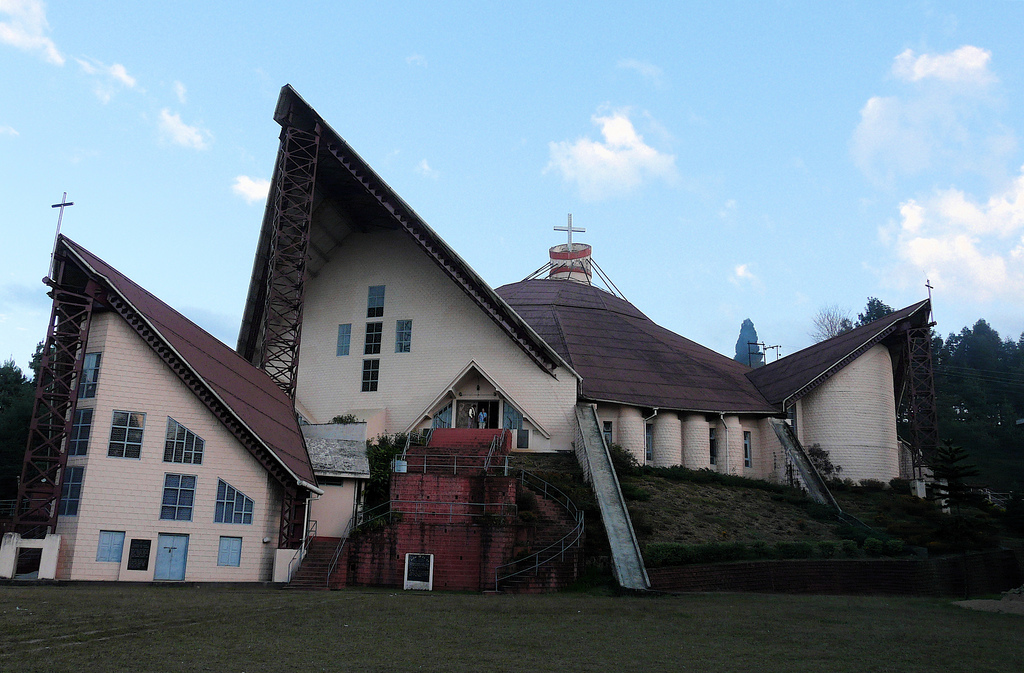

Deepor Beel is a permanent, freshwater lake, in a former channel of the Brahmaputra river, to the south of the main river south-west of Guwahati city. It is a large natural wetland having great biological and environmental importance besides being the only major storm water storage basin for the Guwahati city. The beel is endowed with rich floral and faunal diversity. In addition to huge congregation of residential water birds, the Deepor ecosystem harbours large number of migratory waterfowl each year. Deepor beel has been designated as a Ramsar Site in November 2002.
Justification for Designation as Ramsar Site
Deepor Beel is one of the largest and most important beels in the Brahmaputra valley of lower Assam and is a representative wetland type found within the biogeographic province, 'Burma Monsoon Forest'.
The lake supports threatened species of birds like spotbilled pelican, lesser adjutant stork, greater adjutant stork, blacknecked stork, and large whistling teal.
The lake is one of the staging grounds on the migratory flyways for several species. Some of the largest congregations of aquatic birds in Assam can be seen here, particularly in winter.
It supports 50 fish species belonging to 19 families. The diversity and concentration of indigenous freshwater fish species is very high. Natural breeding of some of these species takes place within the beel itself.
Biodiversity Values
Flora
Phytoplankton is one of the major components of the lowest level of the producers in the Deepor beel ecosystem. The dominant species are represented by Oscilatoria sp and Microcystis sp. A total of 18 genera of phytoplankton are reported only from the core area of the Deepor beel ecosystem.
The dominant aquatic plants include Eichhornia crassipes, Pistia stratiotes, Ottelia alismoides, Lemna minor, Potamogeton crispus, Vallisneria spiralis, Hydrilla verticillata, Ipomoea reptans, Azolla pinnata, Spirodela polyrhiza, Eleocharis plantaginea, Nymphaea albea, N.rubra and Sagittaria sagittifolia. The giant water lily Euryale ferox also grows here. The lake shore vegetation includes Eupatorium adoratum, Achyranthes aspera, Cyperus esculoentus, Phragmites karka, Vitex trifolia, Accium basilium, Saccharum spontaneum and Imperata arundinacea. Dominant tree species in the nearby deciduous forests include Tectona grandis, Ficus bengalensis and Bombax malabaricum.
The State Government had acted out the Guwahati Water-bodies (Preservation and Conservation) Act three years back but it seems its responsibilities ended with that. Major wetlands, like Deepor Beel and Silsako Beel, continue to reel under growing anthropogenic and industrial pressure.
Continuous dumping of untreated municipal solid waste at Boragaon in close proximity to Deepor Beel remains perhaps the biggest threat to the water body’s long-term survival prospects. Tests conducted by the Pollution Control Board Assam had detected the presence of highly-toxic substances in Deepor Beel’s water – something regarded as a grave threat to the biodiversity and ecology of the State’s lone Ramsar Site and a bird sanctuary.
Industrial activities near the wetland, too, have shown little signs of abatement, with a large number of brick kilns operating in the area. While only a small part of the existing wetland has been designated as a bird sanctuary, sadly, the authorities have failed to accord protection to its sanctity.
Increasing pollution in Deepor Beel’s water can be seen well inside the protected area itself, with a blackish coat covering a part of the water.
A forest official said to this correspondant “We have repeatedly been taking up the matter with the district administration and the municipal and authorities but action been taken. The dumping of garbage close to the beel is definitely a threat to Deepor Beel’s survival,”
On its part, the Forest Department, too, has not been able to check illegal fishing inside the sanctuary besides defacing of the beel’s bank by picnickers during the winter. Acknowledging the problem, the official, however, claimed that fishing had been brought down to a reasonable level with better vigil as well as awareness drives conducted in the nearby villages.
Similarly, the State Government had announced a plan for clearing encroachments and even removing the legal structures by paying compensation and reclaiming the land. The aim was to restore the lost status of Silsako which is a major storm-water reservoir of the city. But here also, the project is progressing at a snail’s pace.
Gorumara National Park
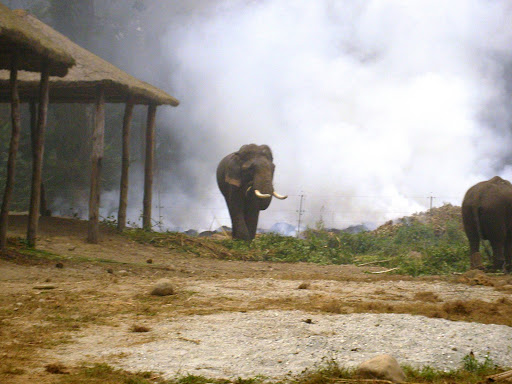


Gaur (commonly known as Indian Bison) is quite common around this region. Albeit few in number, the forests are also home of the famous Royal Bengal Tiger. Different other varieties of deer, reptiles and other animals can be easily seen around here. The place is a heaven for bird watchers.
Chapramari is close to the Gorumara national park near Chapramari. If you are staying at Lataguri, you can visit Chapramari from there. Chapramari is about 30 km from Chalsa and Lataguri.There is a nice forest bungalow on the river bank of Murti. From this bungalow you can see elephants and other animals during the early morning and evening hours.
|
Gorumara National Park a National Park in northern West Bengal, India. Located in the Terai region of the Himalayan foothills, it is a medium-sized park with grasslands and forests. It is primarily known for its population of Indian Rhinoceros.
The best way to watch wildlife at the park is to use powerful binoculars, with night vision facilities at night, from the numerous well-located watchtowers at the park. The watchtowers are:
There are no ranger-led or otherwise four-wheel drive vehicle or elephant-back forays into the jungle. Hiking is permitted on metalled roads, but is slightly unsafe considering the population of elephants, gaur and rhinoceros present in the park. The park is closed in the Monsoon season from 16th June to 15th September. The best time to visit Gorumara is from November to March. One can also visit the adjoining forest villages to get acquainted with the lifestyle and culture of the villagers. A live show of the ethnic tribal dance can be seen every evening in Budhuram Forest Village. One can visit the Lataguri Nature Interpretation Centre for an interpretive exhibit of the local natural history. |
Lodging
The park forest bungalow is an old wooden rustic cottage which has a watchtower overlooking the salt reservoir. Accommodations are also available in West Bengal Forest Development Corporation resorts in Murti by the side of Murti river and at Gorumara Elephant Camp at Dhupjhora. One can stay in newly constructed cottages in the Kalipur village at the fringe of Gorumara built by the State Forest Department. Accommodation is also available in the nearby town of Lataguri provided by private hotels.


The river Torsha flows through this rain forest sanctuary which is mostly covered with tall grasses, the sanctuary encompasses a luxuriant vegetation and a rich variety of wildlife. The Malangi River also flows nearby from east to west. Riding elephants and Jeep Safaris are the only way to move inside this forest.
It was declared as a Wildlife Sanctuary in 1991.
The dense forest is mainly savannah covered with tall elephant grasses. The main attraction of the sanctuary is The Indian Rhinoceros (Rhinoceros unicornis) also called Greater One-horned Rhinoceros and Asian One-horned Rhinoceros). The sanctuary holds the highest Rhino population in India after Kaziranga National Park in Assam. The other animals found are The Bengal tiger, or Royal Bengal tiger (Panthera tigris tigris), The Asian or Asiatic Elephant (Elephas maximus), Sambar (Rusa unicolor), Indian Gaur (Bos gaurus also called Indian bison) Barking Deer (Muntiacus), and many others.
Jaldapara is a paradise for bird watchers too. It is one of the very few places in India, where the Bengal Florican (Houbaropsis bengalensis), also called Bengal Bustard and The Himalayan Vulture or Himalayan Griffon Vulture (Gyps himalayensis) is sighted. The other birds to be found here are the Crested Eagle, Pallas's fishing eagle and shikra, besides Jungle Fowl, Peafowl, Partridges, and lesser Pied Hornbill.


|
Jaldapara is a majestic wildlife experience established in 1941 for the protection of the Indian one-horned rhino, the Jaldapara Sanctuary covers 216 sq km, is a mosaic of woods, grasslands, perennial streams, sandy river banks and extensive belts of tall grass. It contains a great diversity of flora and fauna of mixed deciduous forest, grasslands and river banks. Jaldapara Wild Life Sanctuary, situated in Alipurduar Sub-Division of Jalpaiguri district in West Bengal, is home to a wide variety of wild life, particularly the Great Indian One Horned Rhinos. The river Torsha flows through this rain forest sanctuary which is mostly covered with tall grasses, the sanctuary encompasses a luxuriant vegetation and a rich variety of wildife. The Malangi River also flows nearby from east to west. Riding elephants is the only way to move inside this forest. |
| ||||||||||||||||
|
|
HOW TO REACH
WHERE TO EAT |


 WHEN TO GO
| |||||
| |||||


 This mountain region of Sikkim provides enormous class of plant and wildlife along with a versatile ethnic mix of people with rich cultural tradition.
 Tiny yet beautiful, Sikkim is situated in the eastern Himalayas. It is spread out below the Mount Khanchendzonga (8534 mts) and ranked third in the world among highest mountain. It is honorable by the folks of Sikkim as their protective God.
Amidst the grandeur of the mountain peaks, hills & lavish valleys, swiftly- flowing rivers, Sikkim offers its visitors an uncommon and noteworthy undergo. Within a few hours one can go through from the sub-tropical heat of the lower valleys to the cold of the rugged mountain slopes that reach up to the area of ceaseless snow.
 Nature Enriched: Sikkim is enriched with a grand variety of flora and fauna. Near about 450 categories of orchids, over 600 species of butterflies, 500 species of birds along with red pandas, snow leopards and other animals can be spotted in Sikkim. And the largest collection can be viewed at the Kanchenjunga National Park which spans an area of 850 square kilometers. Finally, as outcome ornithology tourism is also earning popularity prominence in beautiful Sikkim.
 Culture Life of Sikkim: is related to Tibetan traditions. Most of the Buddhist monasteries are monument of remarkable artistic gem, in which are bronze images, wall paintings and tankas. Buddhism is an integral part of Sikkim and its culture, and many of the recommended trips around Gangtok have a monastery as their ultimate destination. The closest monasteries to Gangtok are Enchey, Phodong and Rumtek.
 Occupation for locals of Sikkim: Travel, tourism and agriculture are in the base of the local economy. Sikkim is the largest producer of a type of spice called, ‘cardamom’ in India. The forests of Sikkim have great economic value in wood pulp as well as timber. Sikkim is also noted for bamboo work withal cotton, wool, blankets, rugs and carpet weaving.
Source: http://www.holidayindia.net


.JPG&imgrefurl=http://www.dibrusaikhowanationalpark.com/mammles.html&usg=__yQaG2OdQXZpA5qYwpFkhnoIV4_c=&h=165&w=200&sz=12&hl=en&start=104&zoom=1&um=1&itbs=1&tbnid=URGxbDkuoC94fM:&tbnh=86&tbnw=104&prev=/search%3Fq%3Dferal%2Bhorses%2Bin%2Bassam%26start%3D100%26um%3D1%26hl%3Den%26sa%3DN%26biw%3D1317%26bih%3D635%26ndsp%3D20%26tbm%3Disch&ei=DTJbTqXmIcvIrQffpJmNCw)


